


Introduction to Cordless Power Tools
Cordless power tools have gained significant popularity among homeowners for a multitude of reasons. As more individuals engage in DIY projects and home improvements, the demand for convenient and efficient tools has risen. One of the primary advantages of cordless power tools is their portability, which allows users to navigate diverse workspaces without being hindered by power outlets or cords. This feature is particularly beneficial for those who need to work in various locations, such as gardens, workshops, or remote areas of a home.
In addition to their portability, cordless power tools offer ease of use. Homeowners often find themselves in situations where maneuverability is crucial, and the absence of a cord eliminates the risk of tripping hazards. Moreover, the lightweight design of many cordless models further enhances their usability, making them suitable for users of all experience levels. Modern battery technologies have also significantly improved, enabling users to experience longer runtimes and faster charging times, which ultimately reduces downtime during projects.
The benefits of cordless power tools extend beyond convenience; they also include versatility and adaptability. Today’s range of cordless tools encompasses a wide variety of options, from drills and saws to sanders and impact drivers. This variety allows homeowners to select the specific tools that meet their needs without the clutter of numerous corded devices. In terms of performance, advances in engineering have enabled cordless models to deliver power comparable to their corded counterparts, making them a viable option for both light and heavy-duty tasks.
Overall, the combination of convenience, portability, and user-friendly design contributes to the increasing prevalence of cordless power tools in the homes of DIY enthusiasts and professional contractors alike. As this category of tools continues to evolve, understanding their features and benefits will assist homeowners in making informed choices when selecting the best tools for their projects.
Key Features to Consider
When selecting cordless power tools, homeowners should consider several key features that significantly influence both performance and user experience. One of the most crucial aspects is battery life. A robust battery not only affects how long the tool can operate but also dictates the efficiency of the tasks being performed. A longer battery life allows for uninterrupted work, making it ideal for larger projects that demand more time and effort.
Weight is another important factor to keep in mind. Heavier tools can lead to fatigue during prolonged use, which can affect precision and comfort. Opting for a lightweight design ensures easier handling and better maneuverability, particularly for tasks that require overhead or intricate work. Therefore, finding a balance between weight and power is essential for a positive user experience.
Power itself is a defining feature of cordless power tools. This is primarily indicated by voltage; higher voltage tools typically deliver greater performance. However, it is essential to pair power levels with the specific needs of the projects at hand. For instance, more demanding tasks like drilling into tougher materials may require a more powerful tool, while lighter tasks may not necessitate such specifications.
Durability is another feature to consider, especially given that cordless tools are exposed to different environmental conditions. A well-constructed tool will not only withstand regular wear and tear but also contribute to long-term savings by mitigating the need for replacements. Look for tools that have reinforced materials and warranties as indicators of quality.
Lastly, ergonomics play a vital role in the usability of these tools. Features such as contoured handles and balanced designs can enhance comfort and precision, reducing strain during operation. Homeowners should prioritize ergonomically-designed tools to ensure a comfortable working experience over extended periods.
Types of Cordless Power Tools
Cordless power tools have revolutionized the way homeowners approach their DIY and renovation projects. Offering enhanced portability and convenience, these tools are available in various categories, each catering to specific tasks. Understanding the different types of cordless power tools can help homeowners make informed decisions when equipping their toolbox.
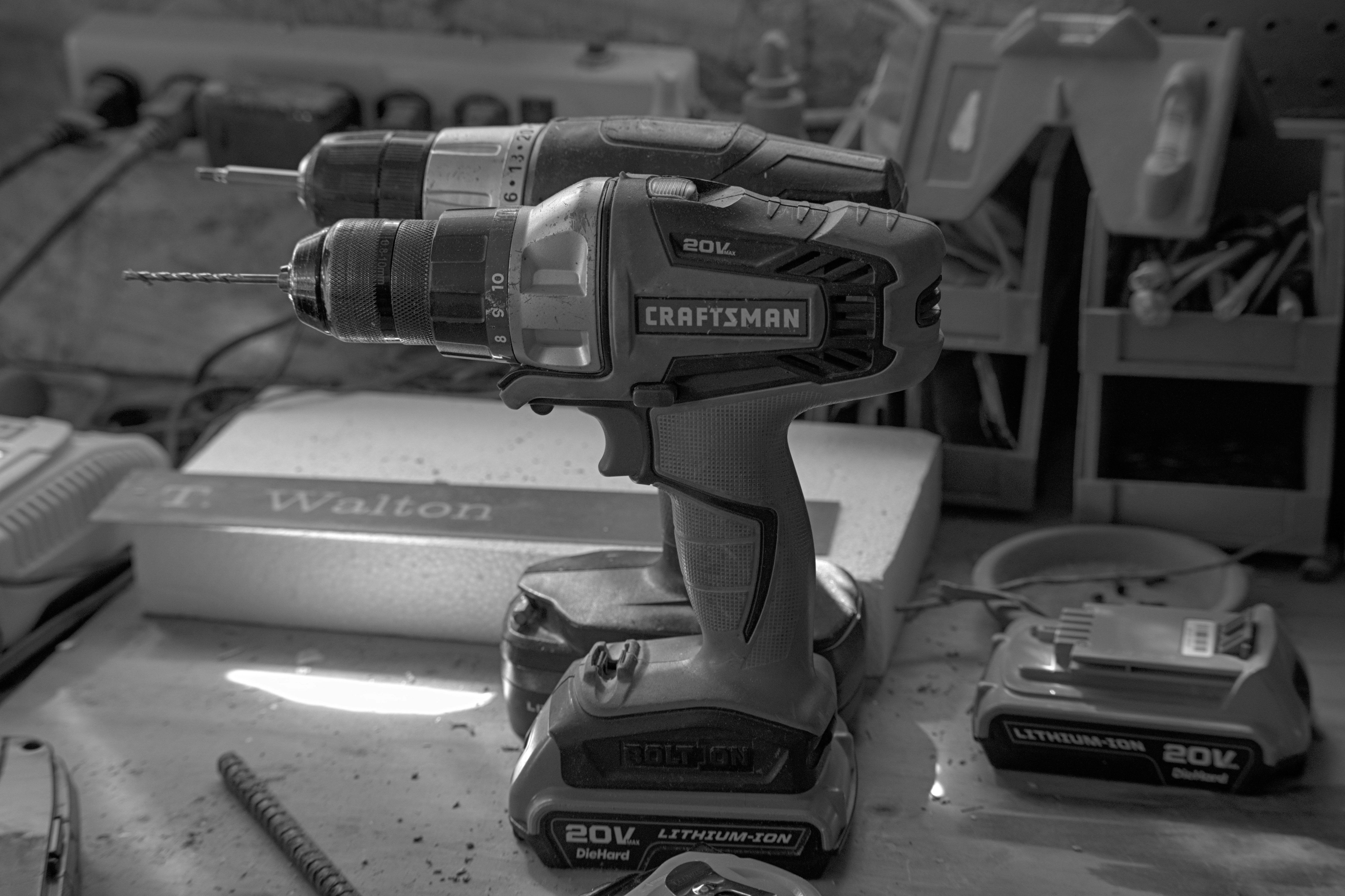
Cordless Drills: One of the most versatile tools, cordless drills are ideal for drilling holes and driving screws into various materials, such as wood, metal, and plastic. Homeowners often use them for assembling furniture, installing shelves, or working on home improvement tasks. The convenience of battery power means users can work without being tethered to an outlet, making these drills a favorite for both novice and experienced DIYers.


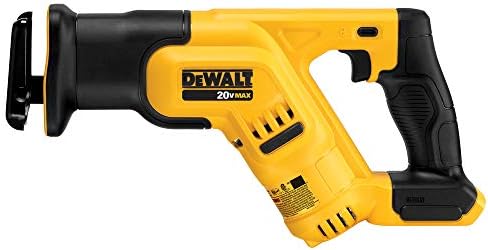
Cordless Saws: These tools come in various forms, including circular saws, reciprocating saws, and jigsaws. Cordless saws provide the flexibility to cut through wood, plastic, and even metal, all without the hassle of cords. They are particularly useful for outdoor projects or situations where accessibility is limited. For example, a cordless circular saw can quickly cut plywood for a home improvement project, while a jigsaw can create intricate cuts for crafts or repairs.


Cordless Impact Drivers: Designed specifically for driving screws and fastening applications, impact drivers deliver high rotational torque, making them ideal for working with stubborn screws or driving long fasteners into tough materials. The lightweight and compact design allows for easy maneuverability, making them a popular choice among homeowners for assembly tasks and deck building.

Cordless Nailers and Staplers: For projects that involve fastening materials quickly, cordless nailers and staplers are essential tools. These devices can efficiently drive nails or staples into various surfaces, reducing the time and effort required for completing tasks such as attaching trim or building outdoor furniture.
Overall, selecting the right type of cordless power tool based on the specific needs and projects will greatly enhance a homeowner’s efficiency and enjoyment in DIY endeavors.
Top Brands in Cordless Power Tools
When selecting the best cordless power tools for home improvement projects, it is essential to consider the top brands in the market. Leading brands often have established reputations built on quality, reliability, and innovation. Some of the most recognized names in the cordless power tools sector include DeWalt, Makita, Milwaukee, Bosch, and Ryobi. Each of these manufacturers offers a diverse product range that caters to various homeowner needs.
DeWalt is synonymous with durability and performance, making it a favored choice among many professionals and DIY enthusiasts. With a comprehensive lineup of cordless tools, from drills to saws, DeWalt’s product quality is well-documented, and many users appreciate their robust customer support and warranty offerings.
Makita stands out for its focus on ergonomics and efficiency in cordless power tools. Their offerings often include advanced lithium-ion battery technologies, contributing to longer run times and shorter charging periods. This commitment to innovation enhances user experience significantly, making Makita a reliable brand for homeowners who prioritize performance.
Milwaukee is another prominent name, noted for their emphasis on heavy-duty tools designed to meet the rigorous demands of both professionals and serious DIYers. Their ONE-KEY technology allows users to customize settings and track tools, providing an added level of convenience. Milwaukee’s extensive warranty coverage also reassures customers about the tool’s longevity.
Bosch and Ryobi, while perhaps less renowned, also provide quality cordless options. Bosch combines European engineering with reliability, while Ryobi caters to budget-conscious homeowners who require dependable tools without breaking the bank.
In summary, evaluating the top brands in the cordless power tools market is crucial for homeowners seeking reliable and effective tools. Each brand presents its unique strengths, which can ultimately influence your purchasing decision based on your specific needs and preferences.
Budgeting for Your Cordless Tools
When considering the purchase of cordless power tools, effective budgeting is crucial for homeowners to ensure they select quality products without overspending. The first step is to establish a budget that aligns with individual needs and preferences. Cordless tools generally vary widely in price, with entry-level models starting around $50 and premium options exceeding $400. Understanding these price ranges can help homeowners make informed decisions that fit their financial situation.
Investing in quality cordless power tools is vital, as lower-priced options often compromise durability and performance. Homeowners should consider their frequency of use and the types of projects they plan to undertake. For DIY enthusiasts or individuals who engage in home improvement occasionally, mid-range tools can provide sufficient performance without breaking the bank. However, for those who envision regular use or require tools for professional purposes, it may be more prudent to opt for higher-quality, durable tools that ensure reliability over time.
Shopping wisely can lead to significant savings. Homeowners can take advantage of seasonal sales, holiday promotions, and clearance events to find quality cordless tools at discounted prices. Additionally, utilizing online platforms for price comparisons can help identify the best deals available on the market. Many retailers offer loyalty programs or coupons that can potentially lower costs further. It is worth exploring used tools that can deliver effective results for those on a tighter budget, provided these items are still in good condition.
Overall, effective budget management for cordless power tools hinges on understanding pricing, prioritizing quality, and leveraging available discounts. With careful planning and research, homeowners can acquire the tools they need to tackle various tasks while remaining within their financial means.
Safety Tips for Using Cordless Power Tools
When it comes to utilizing cordless power tools, safety should always be the top priority. These tools, while incredibly efficient and versatile, demand a careful approach to ensure both the user’s and the surrounding environment’s safety. Here are essential safety precautions to keep in mind when operating these instruments.
First and foremost, wearing appropriate protective gear is crucial. This includes safety goggles to shield the eyes from flying debris, hearing protection to mitigate noise exposure, and gloves to provide grip while safeguarding against cuts and abrasions. Additionally, wearing a dust mask can be beneficial when cutting or sanding materials that produce fine particles.
Proper handling techniques are equally vital. Before starting any project, ensure that you read and understand the user manual for the cordless power tool. Familiarizing yourself with its features and functionalities can help in navigating its use safely. Always maintain a solid grip on the tool with both hands, especially when operating power saws or drills, to maintain control and reduce the risk of injury. Keeping the work area tidy and free from clutter can also prevent accidents caused by tripping or slipping.
Moreover, regular maintenance of cordless power tools is essential for safe operation. Keep blades sharp and surfaces clean to ensure smooth functioning. Battery packs should be inspected for damage, and tools should be stored in a dry place away from moisture to prolong their lifespan. Avoid overloading the tool, as this can lead to malfunctions or even battery failure.
Incorporating these safety measures when using cordless power tools will significantly enhance your overall safety, ensuring effective and enjoyable use. By prioritizing safety practices, homeowners can maximize their productivity while minimizing risks associated with power tool operation.
Popular Cordless Power Tool Models Reviewed
Cordless power tools have revolutionized home improvement projects, offering convenience and portability. Here, we review several popular cordless power tool models, detailing their standout features, pros and cons, performance benchmarks, and user feedback to assist homeowners in selecting the ideal tools for their needs.
One of the highly regarded models is the DeWalt DCD777C2 20V Max Compact Drill/Driver. This drill is known for its lightweight design and powerful 20-volt motor, making it suitable for a range of drilling tasks. Users appreciate its ergonomic grip and two-speed transmission, which allows for both high-speed drilling and torque applications. However, some users note that the battery life could be improved, particularly when used on demanding tasks.
Another notable model is the Milwaukee M18 Fuel 1/2″ Drill/Driver. It boasts impressive torque and speed, attributing its high performance to the POWERSTATE brushless motor technology. This tool is favored among professionals and serious DIYers for its durability and long-lasting battery. The downside reported by users includes its higher price point compared to similar models, which may deter casual users.
For those focused on yard work, the Makita XRU02Z 18V LXT String Trimmer is exceptional. Lightweight and battery-efficient, this cordless trimmer provides a significant runtime, making it ideal for homeowners managing larger yards. Users appreciate the adjustable cutting speed settings, but some mention that the guard can be cumbersome, affecting maneuverability during use.
Lastly, the Ryobi P731 18V One+ AirGrip Digital Laser Level stands out for versatility. It is perfect for both indoor and outdoor projects, providing accurate leveling with ease. While it has received positive feedback for its functionality, some users have expressed a desire for a sturdier build.
By understanding the features and user experiences of these models, homeowners can make informed decisions in selecting the right cordless power tools to effectively meet their specific needs.
Maintenance of Cordless Power Tools
Proper maintenance of cordless power tools is essential for maximizing their lifespan and maintaining optimal functionality. Regular upkeep is not only about performance but also ensures a safe working environment. Homeowners should adopt routine maintenance practices that can significantly enhance the reliability and efficiency of their cordless tools.
One of the primary aspects of maintenance is cleaning the tools after each use. Dust, debris, and sawdust can accumulate in the tool’s mechanisms, leading to decreased performance and potential malfunctions. Using a compressed air canister or a soft brush to remove dust from vents, buttons, and moving parts is highly recommended. This practice will prevent particulate buildup, thereby ensuring that tools operate smoothly.
Battery care is another crucial component in maintaining cordless power tools. Lithium-ion batteries, commonly used in these tools, should be stored in a cool, dry place, optimally charged between 20% to 80% capacity to prolong battery life. Homeowners should avoid exposing batteries to extreme temperatures, as this can adversely affect their performance. Additionally, it is advisable to use the specific charger designed for the tool’s battery type, as incompatible chargers can lead to overcharging and even damage.
Troubleshooting common issues is also an integral part of maintaining cordless power tools. If a tool is not functioning properly, homeowners should first consult the manufacturer’s manual for guidance. Often, issues such as erratic performance or failure to start can be resolved by checking the battery connections or ensuring the tool is adequately charged. Regularly inspecting the tool for any signs of wear and tear can further help identify problems early before they escalate.
By adhering to these maintenance practices, homeowners can ensure the longevity and efficiency of their cordless power tools, making them a worthwhile investment for various home projects.
Conclusion and Final Recommendations
Throughout this guide, we have explored the essential factors that homeowners need to consider when selecting the best cordless power tools. These tools offer great flexibility and convenience, making them an ideal choice for various tasks around the home. Key aspects such as power, battery life, comfort, and brand reputation should guide your decision-making process.
First and foremost, assess the type of projects you intend to undertake. If you are primarily engaging in light tasks, a basic cordless drill might suffice. However, for more intensive applications, consider investing in higher-end models that offer enhanced performance. Battery life is also a critical factor; look for tools utilizing lithium-ion batteries, as they tend to provide longer run times and shorter charging periods.
When evaluating comfort, ensure that the power tool fits well in your hand and is not excessively heavy. Ergonomic designs can significantly reduce fatigue during extended use. Additionally, as safety should always be a priority, select tools that include safety features, such as automatic shutoff or protective guards.
Regarding budget, it is advisable to balance cost with quality and durability. While more affordable options can be tempting, they may lack the longevity and efficiency of their premium counterparts. As a homeowner, investing in a reliable brand with good customer service can also enhance your purchase experience.
Finally, before making your purchase, read reviews and seek recommendations from fellow DIY enthusiasts or professionals. Gathering insights about real-world performance can help you make an informed decision.
In conclusion, by considering your specific needs, understanding the features of various cordless power tools, and being mindful of your budget, you can select tools that empower you to tackle a wide range of home projects efficiently. Happy building!
