

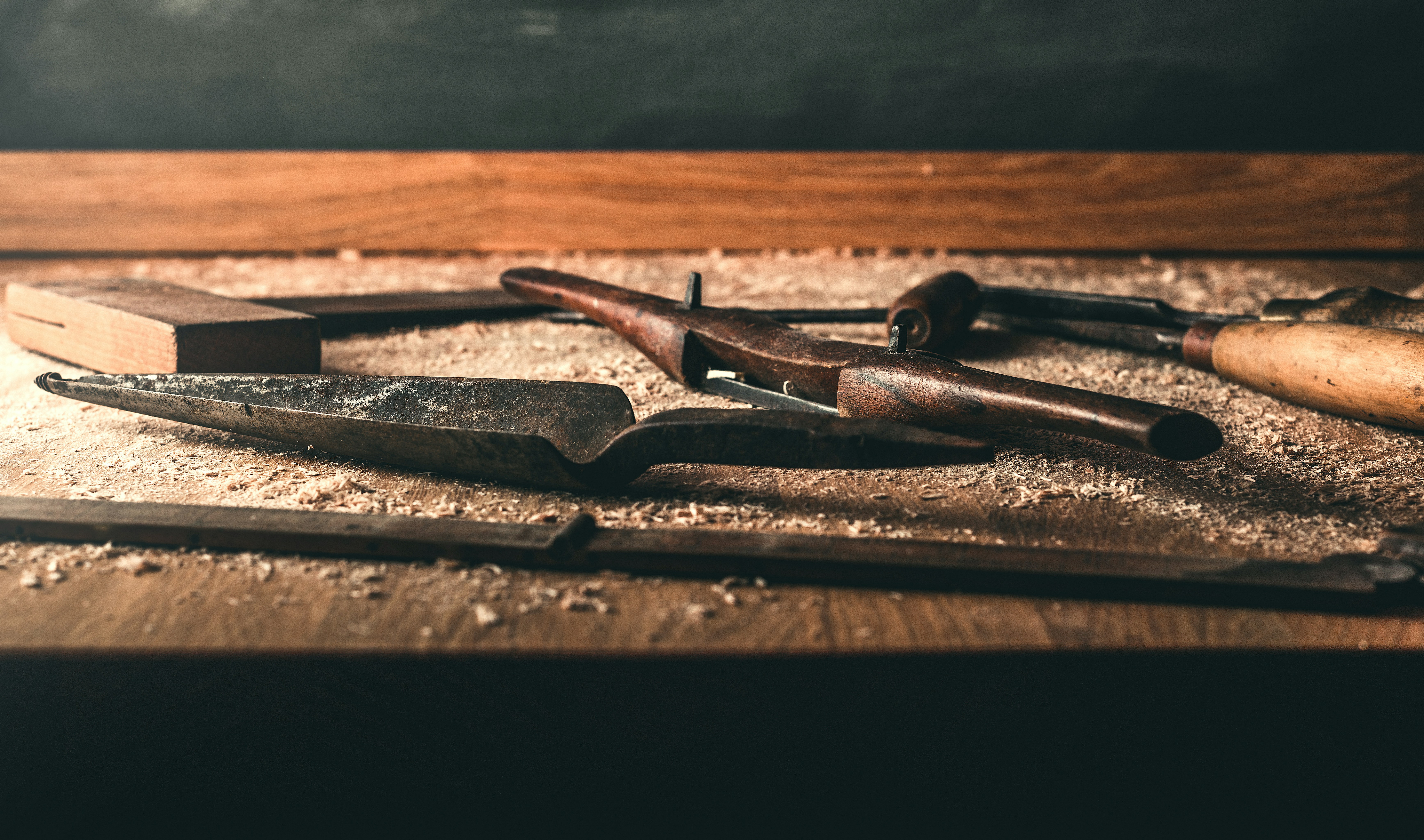

Introduction to Hand Tools vs. Power Tools
In the realm of woodworking, the debate between hand tools and power tools has long been a topic of discussion among enthusiasts and professionals alike. Each category of tools possesses its own set of advantages and challenges, and understanding their distinctions is essential for making informed decisions in woodworking projects. Hand tools, with their rich historical background and tactile nature, have been utilized by craftsmen for centuries, promoting not only skill development but also a deeper connection to the craft.
On the other hand, power tools have revolutionized efficiency in woodworking, enabling faster operation and reducing labor intensity. These tools are designed to facilitate complex tasks and can significantly increase productivity, especially in large-scale projects. Despite their widespread popularity, power tools often encourage a more mechanical approach to woodworking, possibly distancing users from the nuances of their craft.
The general consensus within the woodworking community acknowledges the merits of both hand tools and power tools. However, many experienced woodworkers advocate for the use of hand tools as they require a higher degree of skill and foster a greater appreciation for the craft. Hand tools can provide precise control and a level of craftsmanship that power tools may not always achieve. Furthermore, their utilization often opens up creative possibilities that align with traditional woodworking methods.
This blog post seeks to illuminate the many reasons why hand tools are often deemed superior, particularly in specific situations where craftsmanship, detail, and a personal touch are desired. By exploring the characteristics of each tool category, we aim to highlight the timeless advantages of hand tools in the woodworking domain.
The Skills and Craftsmanship of Using Hand Tools
Mastering the art of woodworking with hand tools requires a specific skill set that emphasizes patience, precision, and a deep understanding of the materials involved. Unlike power tools, which can often diminish the tactile feedback and sensory connection to the wood, hand tools invite craftsmen to engage fully with their craft. This engagement cultivates a more profound awareness of wood qualities, including grain patterns, density, and moisture levels, which ultimately informs better decision-making throughout the woodworking process.
Using hand tools necessitates the acquisition of various techniques and skills. For instance, a woodworker must develop the ability to properly hold and control chisels, planes, and saws. Mastery of these tools involves practice, as techniques such as paring, jointing, and dovetailing grow more intuitive over time. This hands-on experience fosters craftsmanship, allowing woodworkers to create intricate joints and smooth surfaces that not only exhibit structural integrity but also artistic finesse. The skills acquired through the repeated use of hand tools often result in a heightened sense of accomplishment, as each completed project reflects hours of dedication and a personal touch.
The craftsmanship involved in hand woodworking is marked by an appreciation for traditional practices and a clear understanding of fundamental principles. It encourages artisans to make deliberate choices, considering how each cut affects the overall design and functionality of the piece. Furthermore, as artisans embrace this slower, more deliberate approach, they gain insights into woodworking techniques that may have been lost with the advent of automated tools. In this way, hand tools not only contribute to the quality of the finished product but also preserve the rich heritage of woodworking as a skilled craft.
Precision and Control: The Hand Tool Advantage
Woodworking is an art form where precision and control are paramount. In this context, hand tools provide distinct advantages that often outshine their power tool counterparts. The primary reason lies in the inherent design and nature of hand tools, which allows for finer manipulation and greater tactile feedback when engaged in crafting projects.
One specific task where hand tools excel is in fine detailing and joinery. For instance, using a chisel enables woodworkers to make minute adjustments to the shape and fit of joints that are critical for high-quality craftsmanship. The ability to control the depth and angle of each cut gives artisans the flexibility to create intricate designs, something that a power tool may fail to replicate adequately. Power tools, while efficient in general tasks, can lack the nuanced control required for delicate work.
Additionally, hand planes are another prime example of how hand tools surpass power tools in achieving a smooth finish on wood surfaces. When using a hand plane, a skilled woodworker can assess the wood grain and adjust their technique accordingly, which supports a more customized outcome. In contrast, power planers might remove too much material too quickly, leading to a finish that requires extensive sanding to correct.
Furthermore, hand tools often promote a more deliberate pace, allowing woodworkers to engage with their craft on a deeper level. This engagement fosters an understanding of the material, enabling subtle adjustments that power tools simply cannot accommodate. Therefore, while power tools offer speed and efficiency, hand tools present a level of precision and control that is indispensable for detailed woodworking projects.
The Connection to Nature: Working with Hand Tools
Woodworking, at its core, is an art form that demands not only skill but also a profound connection to the materials utilized. Hand tools facilitate a uniquely immersive experience that power tools simply cannot replicate. When one engages with hand tools, they are encouraged to slow down and savor the act of creation. This deliberate approach fosters a deep appreciation for the craftsmanship involved.
One notable aspect of using hand tools is the ability to physically feel the texture and grain of the wood. Each piece of lumber tells its own story, and as woodworkers work with their hands, they can sense variations in density, moisture, and grain direction. This tactile engagement allows for an intimate understanding of the material, enabling the artisan to choose the right technique and tools for the job. The very act of shaping the wood with a hand plane or chisel allows for a tactile connection that strengthens over time.
Additionally, the sounds produced by hand tools create a rich auditory experience that enhances the connection to nature. The rhythmic scraping of a chisel against the wood, the gentle hum of a hand saw cutting through grain, or the satisfying snap of wood fibers as they yield to a well-placed blow from a mallet form a symphony unique to woodworking. These sounds are not merely background noise; they form a dialogue between the craftsman and the material, breathing life into each project.
In choosing to work with hand tools, woodworkers intentionally embrace the organic qualities of wood. This relationship cultivates mindfulness, as it requires attention to detail and respect for the resources provided by nature. In contrast to the often mechanized and impersonal operations of power tools, hand tools foster a more profound sense of satisfaction and fulfillment with each completed project, highlighting the timeless advantage of traditional craftsmanship.
Safety and Health Considerations in Woodworking
Woodworking, a craft revered for its creativity and skill, requires a focus on safety and health considerations. When comparing hand tools to power tools, it becomes evident that hand tools generally present fewer risks and hazards. This distinction can significantly impact the safety of the woodworking experience, especially for novices and those working in environments where accidents could lead to serious injuries.
One primary advantage of why hand tools are favored in this regard lies in their simplicity of use. Unlike power tools, which often feature powerful motors that can lead to rapid, severe injuries if mishandled, hand tools require deliberate, slow movements. This deliberate pace allows woodworkers to maintain greater control, reducing the chances of mishaps. Additionally, hand tools do not require electrical power, thus eliminating risks associated with electrical hazards and the potential for overheating or malfunctioning components that are common in power tools.
Moreover, the use of hand tools aligns with broader health benefits. Engaging in woodworking with hand tools often encourages physical activity, promoting ergonomic practices that can benefit posture and physical well-being. For instance, when using tools such as chisels and hand saws, the artisan is typically required to engage in movements that enhance coordination and strength. This active engagement contrasts starkly with using power tools, which can sometimes lead to a sedentary mode of operation, ultimately diminishing the physical exercise involved.
Furthermore, prolonged exposure to the noise generated by power tools can lead to serious hearing issues over time. In contrast, hand tools operate virtually silently, thereby contributing to a quieter and more focused workspace. This reduction in noise pollution can facilitate a mentally healthier environment, allowing the woodworker to concentrate more effectively on their craft without the distraction of loud machinery.
In conclusion, the emphasis on safety and health considerations reveals that hand tools pose fewer risks while simultaneously offering health benefits. This makes hand tools an advantageous choice for woodworkers prioritizing well-being and safety in their projects.
Cost-Effectiveness: Buying Hand Tools vs. Power Tools
When considering woodworking, one of the primary factors influencing a woodworker’s decision is cost. The initial investment required for both hand tools and power tools can vary significantly, leading many to evaluate their long-term value. While power tools often present an alluring and immediate solution to various woodworking tasks, hand tools offer a distinctive cost-effective advantage for both beginners and seasoned professionals.
Hand tools, such as chisels, hand saws, and planes, generally come with a lower upfront cost compared to their powered counterparts. These tools not only require lesser initial expenditure but also often have a longer lifespan if maintained properly, creating a decreased need for frequent replacements or repairs. This longevity contributes to a lower overall investment, particularly for hobbyists who may not engage in woodworking on a daily basis.
Moreover, hand tools can provide significant savings in energy costs and maintenance. Power tools often require electricity or batteries, which can add to the expense over time. In contrast, hand tools operate without reliance on energy sources, making them a more sustainable option in the long term. This eco-friendly aspect adds another layer of appeal to woodworking enthusiasts who prioritize eco-conscious practices.
While power tools may offer convenience in terms of speed and efficiency, their higher costs can render them impractical for novice woodworkers who may not yet have developed precise skills. Investing in hand tools provides beginners an opportunity to cultivate their woodworking techniques, ultimately leading to increased proficiency without the financial burden posed by expensive power tools. In summary, although both hand tools and power tools serve distinct purposes, the cost-effectiveness of hand tools makes them an invaluable asset in any woodworker’s toolkit.
The Portable and Versatile Nature of Hand Tools
Hand tools have been a cornerstone of woodworking for centuries due to their inherent portability and versatility. Unlike power tools, which often require a specific workspace and can be cumbersome to move, hand tools are typically lightweight and compact, making them easy to transport. This characteristic is especially beneficial for woodworkers who may not have a dedicated workshop or those who prefer to work in various locations. With hand tools, a desired location might simply be a driveway, garage, or even a small bench in a park, allowing creativity to flourish without the constraints of traditional setups.
Furthermore, the versatility of hand tools cannot be overstated. They can be employed in a multitude of tasks, from intricate detailing to rough cuts, adapting seamlessly to the needs of the woodworker. For instance, a simple chisel can be used for carving, chiseling, or making fine adjustments to a joint, whereas a hand saw can perform both straight cuts and more complex angles, enabling a wide range of projects. This adaptability makes hand tools suitable for both beginners and seasoned craftsmen alike, facilitating learning and skill development without the overwhelming complexity of power tools.
In smaller workshops, where space is often at a premium, hand tools shine as an optimal choice. Their compact size means that they take up significantly less room than their electric counterparts, allowing beginners to cultivate their woodworking skills without committing to an extensive array of machinery. Ultimately, it is this combination of portability and versatility that positions hand tools as invaluable assets in the woodworking field, encouraging a hands-on approach to craft that builds confidence and competence in aspiring artisans.
The Environmental Impact: Hand Tools vs. Power Tools
In the realm of woodworking, the choice between hand tools and power tools carries significant environmental implications. One of the foremost advantages of hand tools lies in their minimal energy consumption. Unlike power tools, which rely on electricity and can contribute to a larger carbon footprint, hand tools operate solely on human effort. This lack of reliance on electrical energy not only makes hand tools more sustainable but also places less strain on energy resources.
Moreover, hand tools tend to produce less waste than their power-driven counterparts. The precision that comes with using hand tools often leads to more accurate cuts and neater joinery, which minimizes material waste. The opportunity for artisan techniques, such as hand planing or chiseling, further allows woodworkers to perfectly shape their materials, ensuring that no excess is discarded unnecessarily. In contrast, power tools, while efficient in their operation, can sometimes result in over-cutting or inaccuracies that generate leftover scraps, ultimately affecting waste management.
Additionally, the production and disposal of power tools contribute to a significant environmental burden. Manufacturing these tools often involves the use of non-renewable resources and generates carbon emissions. In contrast, hand tools are typically simpler in design and often made from more sustainable materials such as wood and metal, which can often be refurbished or recycled. The lifespan of hand tools tends to be much longer as well, reducing the frequency of replacement and thus the environmental cost associated with manufacturing new tools.
Considering these factors, it becomes evident that hand tools present a compelling case in the context of environmentally responsible woodworking. Their low energy utilization, potential for waste reduction, and commitment to sustainability mark them as a greener alternative in the woodworking toolkit. As awareness of environmental issues grows, selecting hand tools may prove to be an informed choice for both the craftsman and the planet.
Conclusion: Embracing Hand Tools in the Modern Age
As we have explored throughout this post, hand tools provide unique advantages that power tools cannot replicate. From fostering a deeper connection to the craft of woodworking to enhancing precision and control, hand tools offer an enriching experience that honors traditional methods. The tactile nature of hand tools allows woodworkers to engage with their materials on a more intimate level, cultivating skills and techniques that have been refined over centuries.
Moreover, the simplicity and portability of hand tools make them incredibly versatile, capable of being used in a variety of settings without the need for electricity or complex setups. This self-reliance not only aids those working in remote areas but also promotes a sustainable approach to woodworking practices. Additionally, cost-effectiveness plays a significant role; hand tools often require a lower upfront investment compared to their power counterparts, making woodworking accessible to enthusiasts at all levels.
The art of woodworking with hand tools also encourages creativity and problem-solving. As artisans learn to work with their tools, they often discover new techniques and methods that enhance their overall craftsmanship. This process of learning and discovery contributes to a more gratifying woodworking journey. Furthermore, the ability to quickly and silently adjust one’s approach adds an element of adaptability that is invaluable. Thus, embracing hand tools allows woodworkers to tap into the rich heritage of their craft while fostering innovation.
For those who wish to begin or further their journey in woodworking using hand tools, we encourage you to explore “The Beginner’s Guide to Woodworking with Hand Tools.” This comprehensive e-book is designed to provide essential knowledge and techniques for novice woodworkers, offering a step-by-step approach to mastering the art. Click the link to access this resource and embark on your woodworking adventure today.
